Signs of spring for kids: 13 things to find, and how to record the first ones
For families who want a reason to get out in late winter. You'll get thirteen signs of spring to spot where you live, and a simple way to record the date you first see each one.
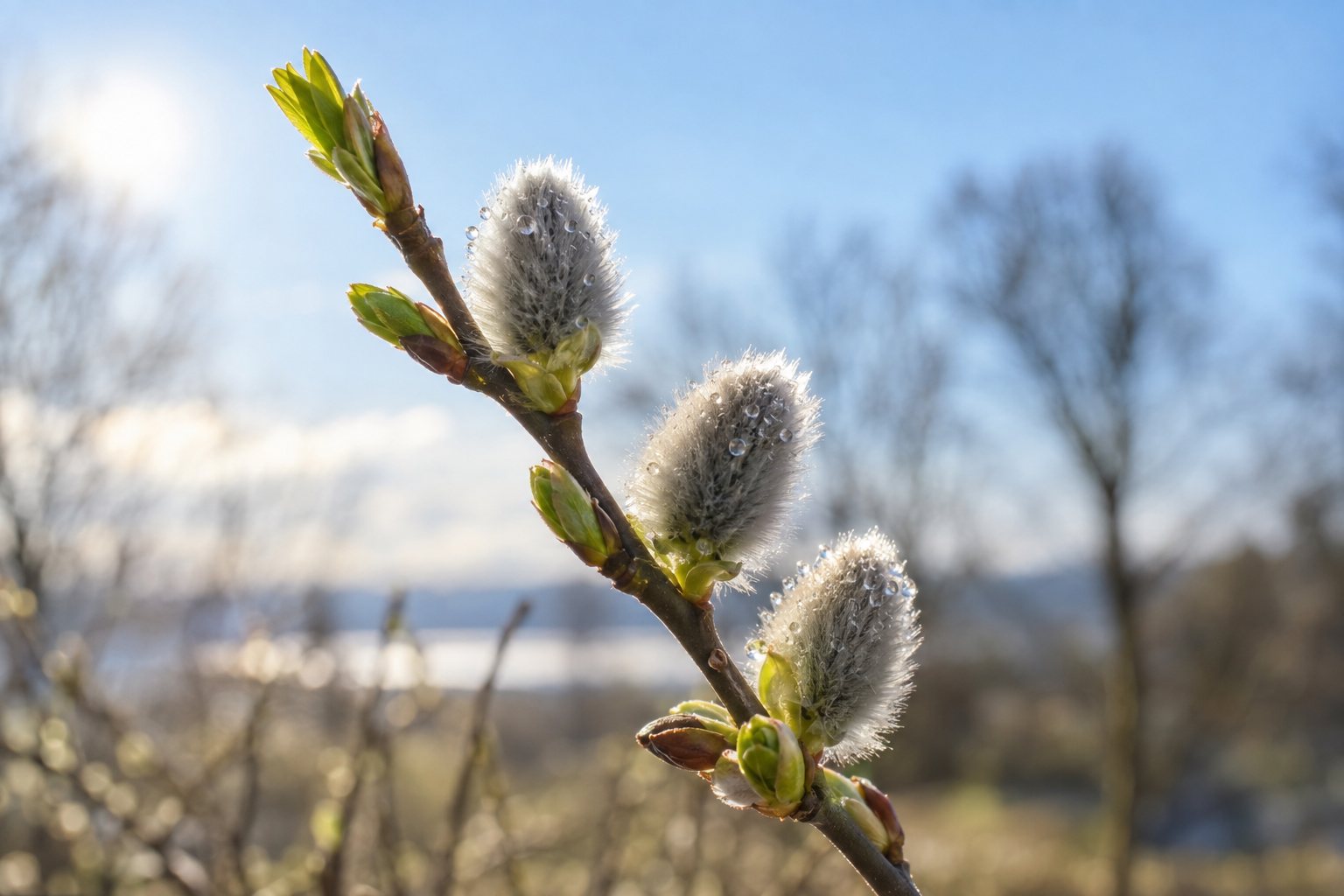
Late winter can feel like it will never end. Then one day there's a flash of yellow in a hedge, or a sound from the pond that wasn't there last week, and you realise spring has already started without telling anyone.
Hunting for signs of spring is one of the best things to do with kids at this time of year. It turns an ordinary walk into a search, it works in a park or a garden as well as in the countryside, and it comes with a bonus: if you write down the date you first see each sign, you're doing real science. Here are thirteen signs to look for, and how to keep a record that counts.
What is phenology?
Phenology is the study of when things happen in nature: the first frogspawn, the first leaf on a tree, the first swallow of the year. People have been writing these dates down for centuries. In England, a man called Robert Marsham started recording his "Indications of Spring" in 1736.
Why does it matter? Because the dates change. Comparing thousands of records across many years helps scientists see how spring is shifting as the climate warms. Your family's notebook can be part of that.
Signs of spring to look for
Spring doesn't arrive everywhere on the same day. It can reach a sheltered southern valley weeks before a hilltop further north, so treat the months below as rough guides, not rules.
- Snowdrops. Often the first flowers of the year, nodding white heads in woods, churchyards and verges from January.
- Hazel catkins. Dangling yellow "lambs' tails" on bare twigs from late winter. Look very closely at the buds nearby for the tiny, bright red tufts: those are the female flowers.
- Frogspawn. Clumps of jelly with black dots in ponds and ditches. It can turn up in winter in the mild south-west, and usually by March further north. Toads come later and lay their spawn in long strings instead of clumps.
- Lesser celandine. Shiny yellow star-shaped flowers on banks and verges. They close up on dull, cold days and open again in the sun.
- Primroses. Pale yellow flowers tucked into hedge banks and woodland edges.
- Bumblebee queens. Big, fuzzy bumblebees flying low and zigzagging over the ground. They're queens that spent the winter asleep, now looking for food and a place to start a nest.
- A brimstone butterfly. One of the first butterflies you'll see, often in March. Brimstones spend the winter as adults, so the first warm, sunny day wakes them up. The males are bright sulphur-yellow.
- Blackthorn blossom. Hedges foaming with white flowers in March and April, before any leaves have opened. (Hawthorn does it the other way round: leaves first, flowers later.)
- A chiffchaff singing. A small greenish-brown bird that sings its own name: "chiff-chaff, chiff-chaff". It's usually the first of the summer visitors to arrive from further south, from March.
- Hawthorn's first leaves. Bright green leaves popping out of the buds on hedges, often in March.
- Wood anemones. Carpets of small white star-shaped flowers on woodland floors in March and April.
- The first swallow. Swallows usually arrive from April, swooping low over fields and water after their long journey from Africa.
- Bluebells. Later in spring, from around mid-April, woods turn blue. Stay on the paths: crushed bluebell leaves can't make food for the bulb, and a trampled patch can take years to recover.
How to keep a first-sightings record
The most useful thing isn't seeing a sign. It's writing down when you first saw it. Here's a simple way to do it.
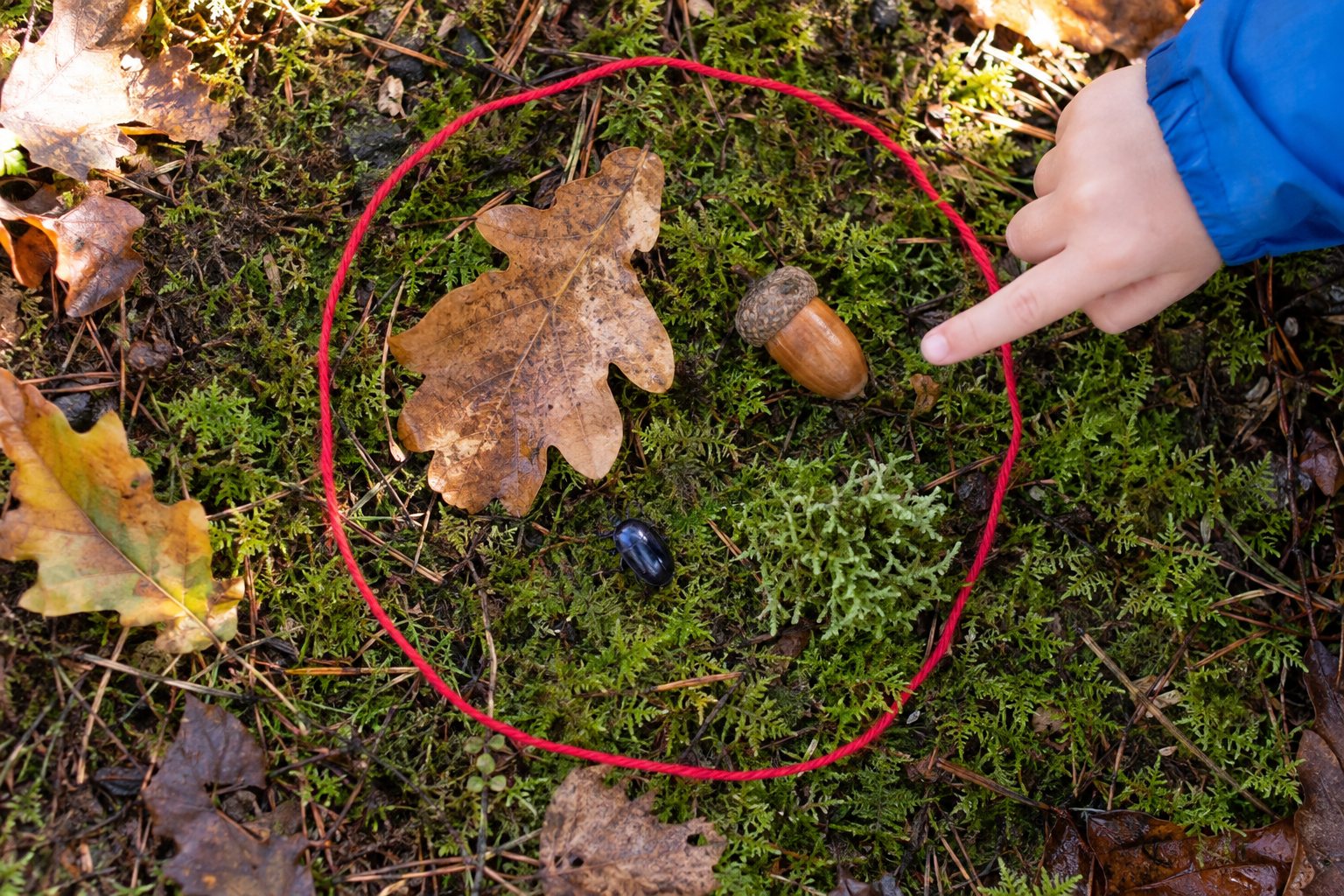
- Pick a patch. Choose somewhere you pass at least twice a week: your garden, the park on the school run, a hedge you walk past.
- Choose a few signs from the list above. Five is plenty to start.
- Look properly each time you go by. Stopping for thirty seconds counts.
- Write it down the first time you see each one, in a notebook or on a sheet stuck to the fridge.
| Sign | Date first seen | Where | Weather |
|---|---|---|---|
| Frogspawn | |||
| Brimstone butterfly | |||
| Bumblebee queen |
Keep the notebook, and next year you can compare. Was spring early or late? Kids love finding out that their own records can answer a real question.
Share your records with scientists
Nature's Calendar, run by the Woodland Trust, collects exactly this kind of record from volunteers across the UK. You register, choose from their list of species and events (first frogspawn, first brimstone, hawthorn's first leaf, the first swallow and many more), pick a spot you check regularly, and add the date you first see each one. Your records join a written record that goes all the way back to Robert Marsham in 1736.
A few rules for spring explorers
- Look, don't pick. Leave flowers for the bees and the next walker.
- Leave spawn in the pond. It's much safer where it is.
- Stay on paths in woods, especially where plants are coming up.
- Wash hands after pond-side exploring.
- Check for ticks after walking through long grass, as the weather warms up.
Go and find spring
You don't need a special trip. Spring is happening in hedges, ponds, lawns and treetops everywhere, and a child who's looking for it will find it first.
That's one of the reasons we're building Scout, a nature camera for kids aged 9 to 13, shaped like an explorer's magnifying glass and worked with one thumb, launching on Kickstarter in spring 2027. When a child points it at something alive, their guide names it right there on the walk, using Scout's own AI chip, and every new find becomes part of a collection and a map of places they've explored.
Happy hunting, and don't forget to write the date down.