How to get kids interested in nature (when they'd rather be on a screen)
For parents whose 9 to 13 year old isn't "into nature" and would pick a screen over a walk. You'll get practical ways in that start from what your child already loves, and what to do if they still shrug.
"My child isn't really into nature." If that's you, you're in good company, and you haven't done anything wrong. Plenty of 9 to 13 year olds would pick a screen over a walk nine times out of ten. This guide is about how to get kids interested in nature at that age: not with lectures or long hikes, but by starting from what they already love, giving them a job, and making the outdoors feel like theirs.
Here's the hopeful part. In Natural England's survey of children aged 8 to 15, more than nine in ten agree that being in nature makes them happy. The interest is usually in there somewhere. It just needs a way in.
Why do kids go off nature at this age?
It isn't just your child. A University of Derby study of nearly 4,000 adults and children found that people's connection with nature drops sharply from around age 11, and doesn't climb back until about 30. The researchers point to everything else going on in those years: starting middle school, friendships, and working out who you are.
So the age you're worried about is exactly when the dip begins. That's useful to know. A shrug at 11 isn't a verdict, and gentle, regular nudges now are worth more than one big push.
Start with what they already love
Don't ask them to become a "nature person". Find the thing they're already into and take it outside.
| If they love… | Try… |
|---|---|
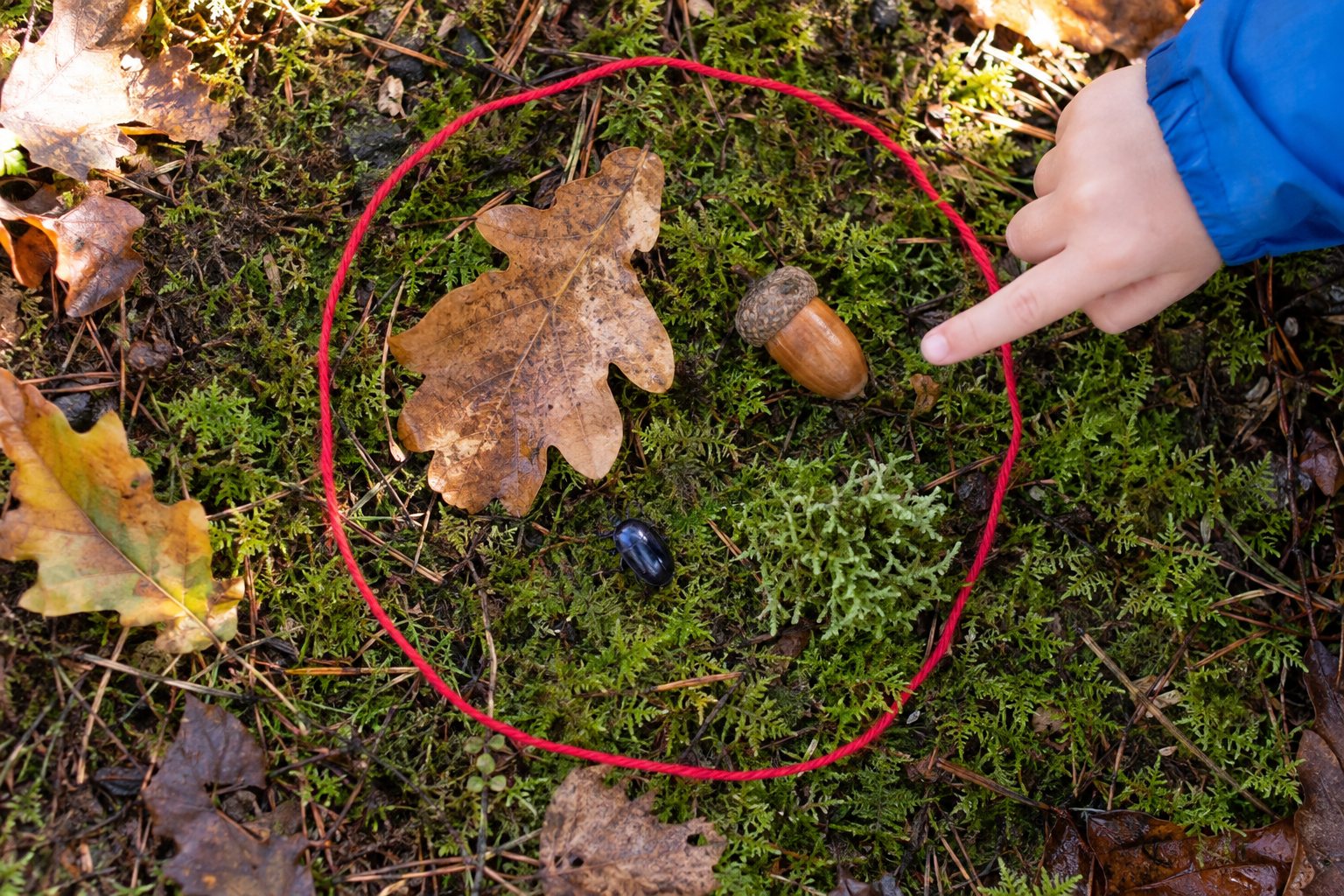
| Collecting | A running list of every living thing they find, or a shelf of fallen treasures: cones, seeds, empty snail shells, odd stones |
| Games and levels | Nature walk games with points, bonus rounds and a winner |
| Challenges and records | "Ten different leaves in ten minutes." Then beat it next week |
| Animals from TV | The local predators: a spider wrapping its prey, a heron fishing, a bird of prey circling |
| Making things | Leaf art on the ground, a bug hotel for the yard, a fort from fallen branches |
| Beating a sibling | Head-to-head: an fall scavenger hunt with points |
| Photography | The phone, plus a list: something tiny, something nibbled, something that looks like a face |
Give them a job, and let them own it
Children who'd drift behind on a family walk will often come alive when they're in charge of something. Make one child the map-reader, another the photographer, another the official record-keeper. Give someone the title "Head of Spiders" and watch what happens.
Ownership matters too. Their own notebook, their own list, their own patch: a tree they visit, or a corner of the yard they're allowed to leave wild. Kids keep going with things that belong to them.
Go small and often, not big and rare
A five-hour hike that ends in a sulk teaches a child that nature is tiring. Twenty minutes round the park after school, once or twice a week, teaches them it's normal.
Going back to the same place again and again is quietly powerful. Children start to notice what's changed, and "what's new since last time?" becomes the question. Stop while they're still having fun, so they want to come back.
Let them lead
Let them choose the route, the pace and the detours. If they spend twenty minutes at one puddle, the walk is working. Your job is to carry the snacks, keep them safe, and ask "what did you find?" at the end.
Go at the right times
Nature runs on a timetable, and the best moments aren't usually midday on a Sunday.
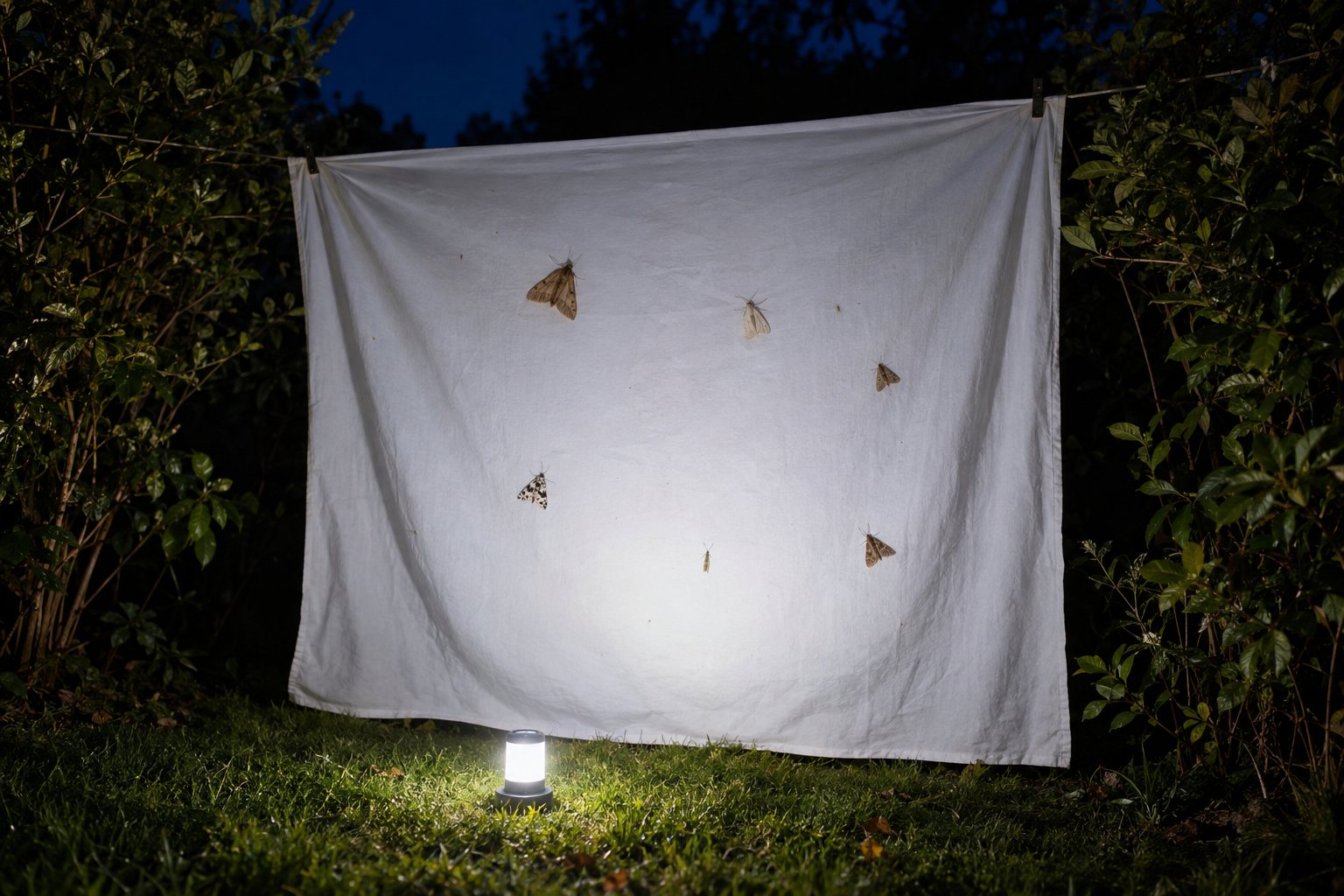
- Dusk. Bats come out to hunt and owls start calling. A short night walk with a flashlight feels like an adventure, even round the block.
- Straight after rain. Slugs, snails and worms come out onto paths, and in fall new mushrooms can pop up after a good soaking.
- The first frost. Spiders' webs outlined in white, leaves edged with ice, footprints in frosty grass. Go early, before it melts.
- Early morning. Dew on every web and, in spring, the dawn chorus.
Make the payoff visible
Nine to thirteen year olds like to see progress. A list on the fridge that grows from 12 finds to 50. A map with a pin for every place you've explored. A nature journal of scruffy sketches and "I wonder" questions. When the fiftieth find goes on the list, make a fuss of it.
Don't lecture or quiz
"What's that one called?" can feel like a test, and tests are what school is for. Interestingly, a 2017 study of adults found that knowledge-based activities, like learning names and facts, didn't predict how connected people felt to nature. What did was contact, emotion, meaning, compassion and noticing beauty.
So swap questions for wonder. "Whoa, look at this." "I wonder what ate that." "I don't know, let's find out" is one of the best things a grown-up can say. The names come later, and they stick far better when a child wants them.
Follow the gross and the dramatic
Plenty of children who find flowers boring are fascinated by anything slimy, creepy or dead. Lean into it.
- Spiders. Fall is spider season. Find a big orb-weaver on its web and watch it wrap a fly.
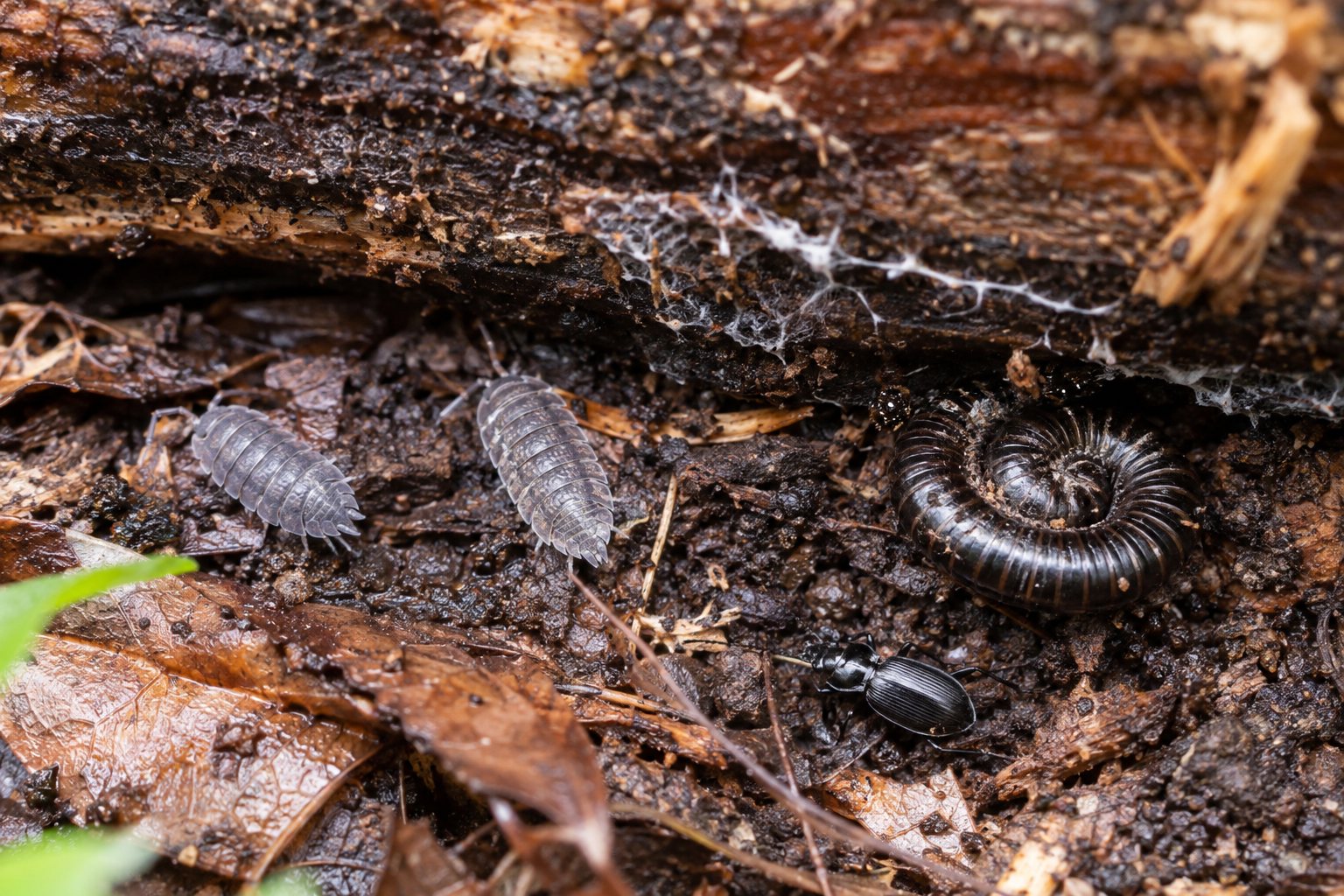
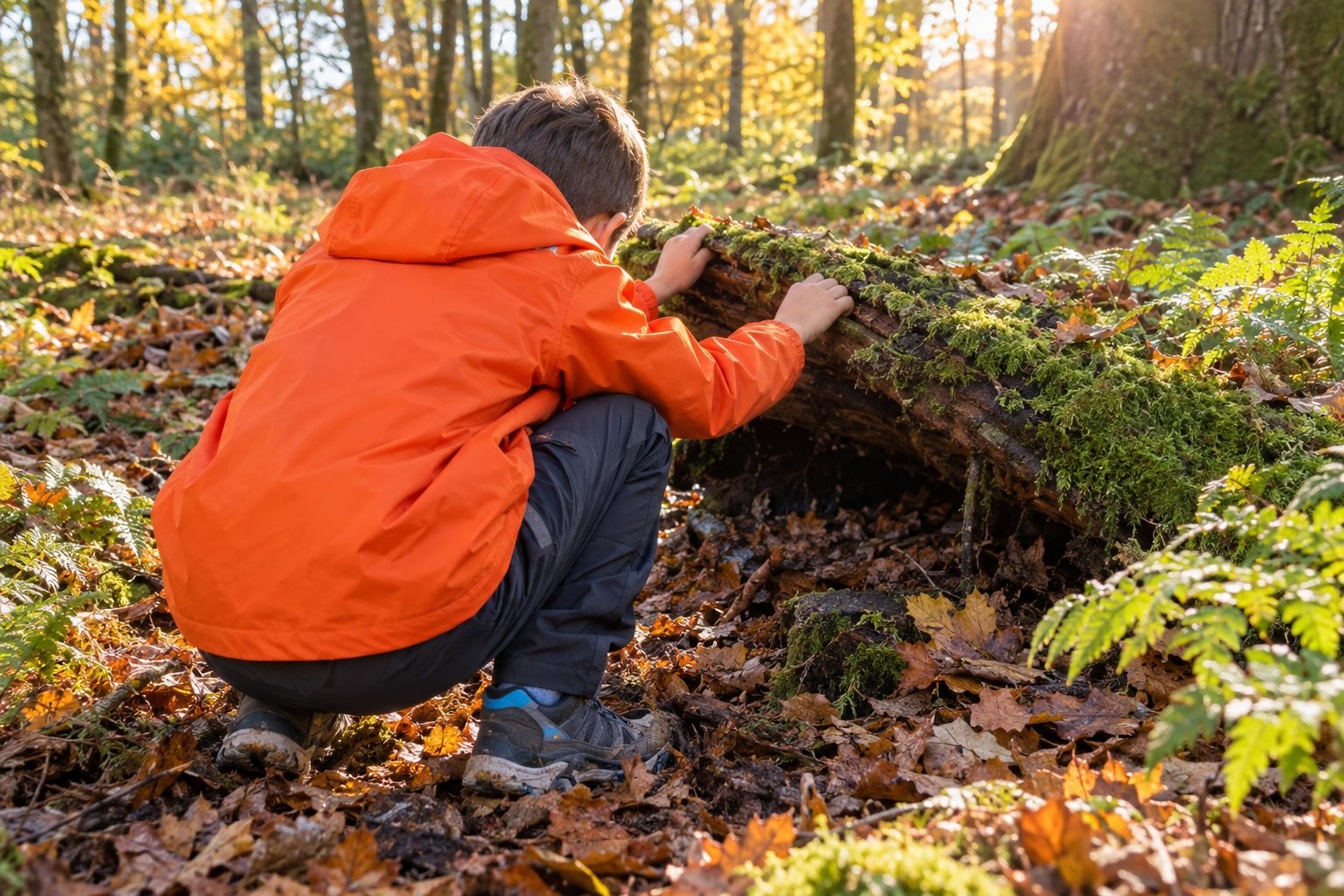
- Under logs. Lift one gently and a whole city scatters. Our bug hunt guide has the kind-handling rules. Always put the log back.
- Fungi. Weird shapes, weird colors, sometimes a weird smell. Look and photograph, but never touch or taste wild fungi.
- Owl pellets. Owls cough up the bits they can't digest, and inside are the fur and tiny bones of the small animals they ate. Buy a heat-treated pellet kit rather than using wild ones, and wash hands afterwards.
- Bones and skulls. If you find one, look closely, photograph it and work out what it might be. Use a stick or gloves rather than bare hands.
Invite a friend
A walk with a parent is a walk. A walk with a friend is an expedition. At this age friends matter more every year, so work with that. Two kids with a bingo card will run ahead, argue about what counts and come back muddy. That's exactly what you want.
Be interested yourself
This may be the most important one. The researcher Louise Chawla looked at what adults who care deeply for nature remember from childhood. Two things stood out: direct, happy experiences outdoors, and a parent, grandparent or other trusted adult who took them there and clearly enjoyed it themselves.
Children notice what we do far more than what we say. Put your own phone away. Stop and look at things. Say "oh!" out loud. Pick something you're curious about, like birds or trees, and let them catch you learning.
What if they still aren't interested?
That's fine. Really. Forcing it is the fastest way to turn nature into a chore.
Interests come and go with ages and seasons. A child who's bored by summer vacation in the woods might love a frosty morning or a night walk. A child who shrugs at 11 might come back to it at 15, or 25. Keep the door open without making a thing of it: keep going on family walks, find the part they do enjoy (the dog, the rope swing, the hot chocolate at the end) and let that be enough for now. They're still outside, and that counts.
Where does a gadget fit?
Honestly, no device will make a child love nature on its own. But the right one can make the first steps more fun. We're building Scout, a nature camera for 9 to 13 year olds, shaped like an explorer's magnifying glass and worked with one thumb, with that in mind. When a child points it at something alive, their guide names it right there on the walk, using Scout's own AI chip, and their collection, badges and challenges only grow from real walks. Coins are earned by exploring, never bought.
Start small this week
Pick one thing from this list, not ten. A twenty-minute walk at dusk. A list on the fridge. A challenge against a sibling. Then go again next week. Interest in nature rarely arrives in one big moment. It builds, walk by walk, until one day they're the one saying "wait, look at this".
Sources
- Natural England, The Children's People and Nature Survey for England: 2025 update
- University of Derby, New study pinpoints when teenagers fall out of love with nature (2019)
- Richardson et al. (2019), Sustainability: A measure of nature connectedness for children and adults: validation, performance, and insights
- Lumber, Richardson and Sheffield (2017), PLOS ONE: Beyond knowing nature: contact, emotion, compassion, meaning, and beauty are pathways to nature connection
- Louise Chawla (2007), Children, Youth and Environments: Childhood experiences associated with care for the natural world